What a Good Solar Installation Company Actually Does: The 2026 Process Explained
Most people think buying solar is like buying an appliance: pick a size, pay, and it works. In reality, the panels are the easy part. The lasting value comes from the engineering and project management that a professional solar installation company wraps around that hardware. This 2026 guide pulls back the curtain on the full process, so you know what you are paying for and can tell a thorough installer from a careless one.
Understanding the workflow also protects your budget. When you can see each stage, you can ask sharper questions, spot corner-cutting early, and hold your contractor to a standard that keeps your system producing for twenty-five years.
Stage 1: The Site Survey and Energy Audit
A credible solar installation company never quotes a system before it studies your consumption. The process starts with your last several electricity bills so the engineer can map your real usage pattern, peak demand, and the units you want to offset.
Next comes the physical survey. The team inspects roof orientation, available area, shading from trees or neighbouring buildings, and the condition of the roof structure itself. A north-facing array in the southern hemisphere or a shaded south-facing roof here will never hit its numbers, and only an on-site visit catches that.
What a good audit should produce
- A recommended system size in kilowatts, justified by your actual bills.
- A shading analysis showing expected annual yield.
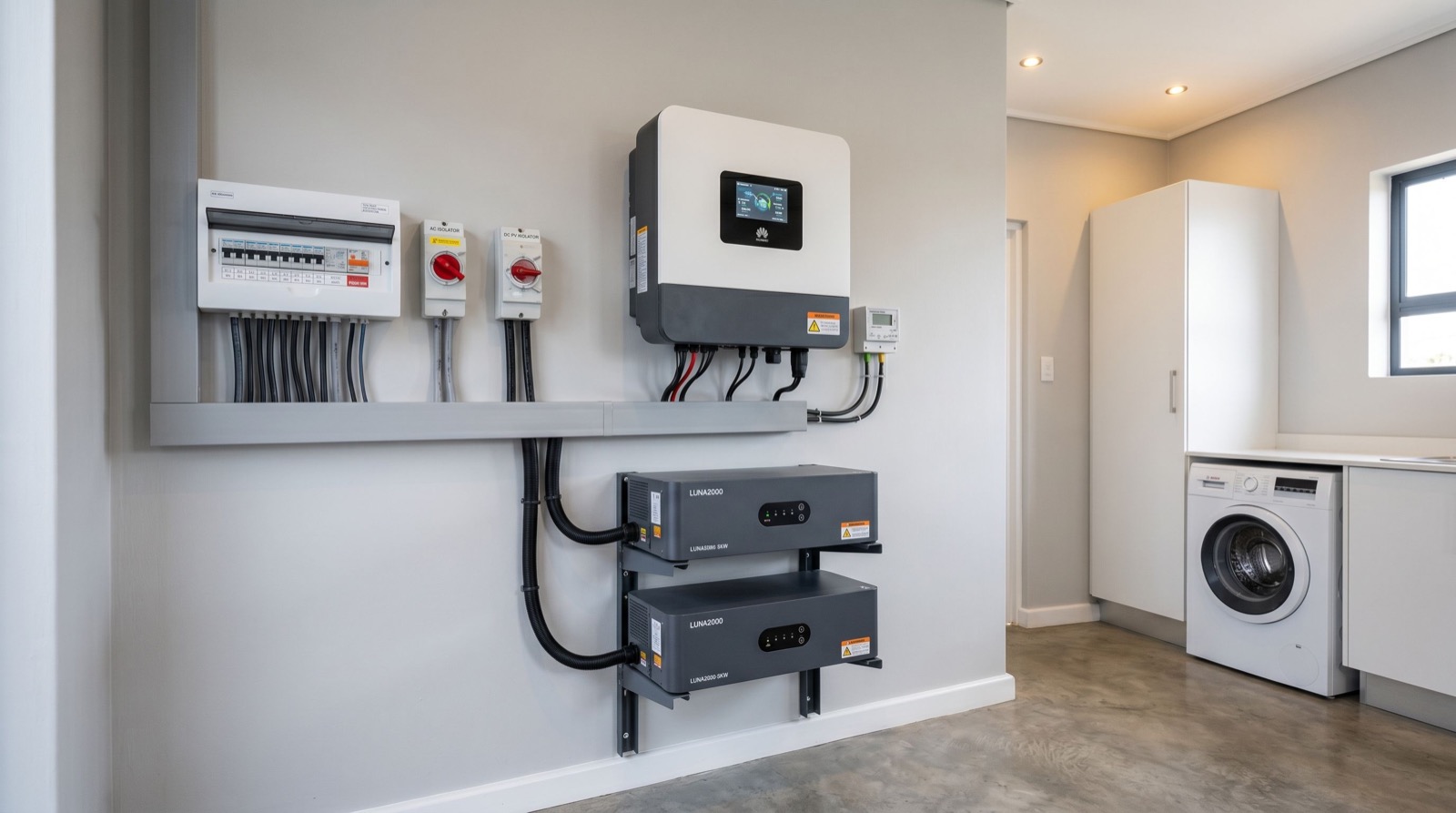
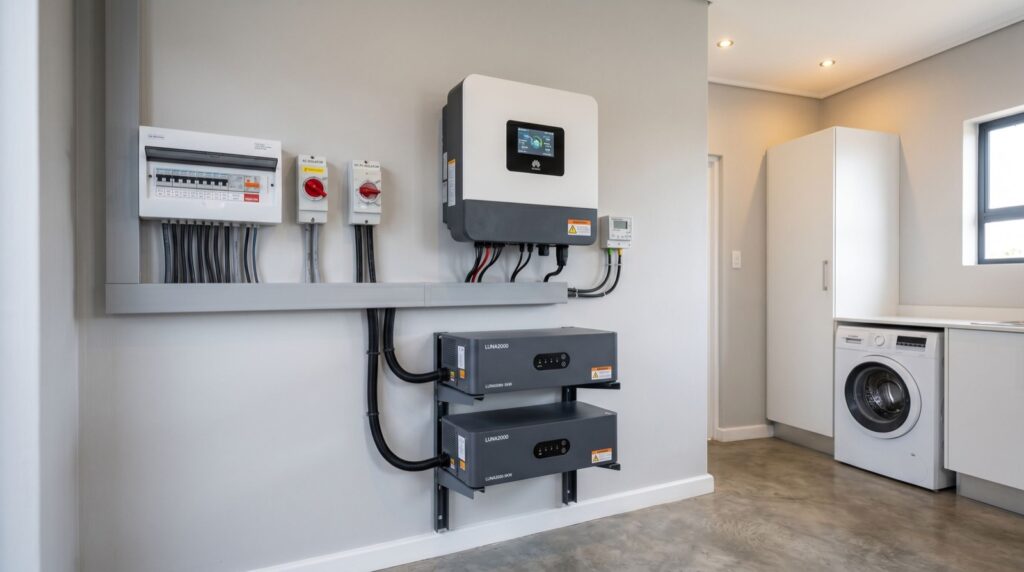
- A single-line electrical diagram of how the system ties into your distribution board.
- An itemised quote with every component named and priced.
Stage 2: System Design and Component Selection
Design is where experience shows. The installer matches panel wattage, string layout, and inverter capacity so the array operates in the inverter’s efficient range across the whole year. Undersize the inverter and you clip power on sunny days; oversize it and you waste money and run inefficiently at low light.
Component quality is set here, too. Reputable firms specify Tier-1 monocrystalline panels, a reliable inverter brand with local service support, correctly rated DC and AC cabling, and proper surge and earth-fault protection. These unglamorous parts are exactly where cheap quotes cut corners.
| Component | What a Pro Specifies | What a Cut-Rate Quote Hides |
|---|---|---|
| Panels | Tier-1 mono, 25-yr warranty | Unbranded or B-grade modules |
| Inverter | Supported brand, right-sized | Undersized, no local service |
| Cabling | Correctly rated, UV-resistant | Thin wire, voltage loss |
| Protection | Surge, breakers, earthing | Skipped to save cost |
| Mounting | Rust-proof, wind-rated rails | Weak clamps, leak risk |
Stage 3: Installation Day
The physical work on a typical home system takes one to three days. In-house technicians mount the rails, secure and seal every roof penetration, lay the panels, run the DC cabling to the inverter, and wire the inverter into your board through the correct protections.
Workmanship here decides your system’s lifespan. Watch for neat cable management, properly torqued clamps, waterproofed roof fixings, and a clean, labelled connection at the distribution board. The U.S. Department of Energy’s homeowner’s guide to going solar is a useful neutral reference for the standards a quality installation should meet.
Why in-house crews beat subcontractors
When a company sends its own trained technicians, it owns the quality of every joint and seal. Subcontracted labour, paid per job and gone the next day, has no stake in whether your roof leaks next monsoon. Ask directly who performs the work before you sign.
In-house teams also carry institutional memory. When the same crew installs hundreds of systems a year, they spot roof quirks, shading issues, and wiring hazards that a casual day-labourer would miss entirely. That accumulated judgement is impossible to fake and shows up in how carefully they treat your home.
Questions to ask on installation day
- How are the roof penetrations sealed against monsoon rain?
- What is the DC cable rating, and does it minimise voltage loss over the run?
- Where is the earthing connected, and is surge protection fitted?
- Can you show me the inverter settings before you close it up?
Stage 4: Net Metering, Testing, and Handover
After installation, the company commissions the system: it tests each string, verifies the inverter settings, confirms safe shutdown, and demonstrates the monitoring app. A professional outfit then files your net-metering application and coordinates the bi-directional meter with your distribution company so your surplus daytime energy earns credit.
Handover should include your warranty documents, the system diagram, and a plain-language walkthrough of what to check monthly. If a company disappears the moment payment clears, you have hired the wrong one.
Choosing well matters because you are selecting a long-term partner, not a one-off vendor. Communities that review contractors carefully, like these quality service providers, consistently report better outcomes, and the same discipline pays off when you hire a solar team.
Does Location Change the Process?
The core workflow stays the same nationwide, but local climate shapes the design. A firm installing solar company in Sialkot projects, for example, accounts for heavy monsoon rainfall and humidity with extra attention to waterproofing and corrosion-resistant mounting, while a desert installation prioritises dust management and heat tolerance.
Frequently Asked Questions
How long does a full solar installation take from start to finish?
The survey and design take a few days, the physical installation one to three days, and net-metering approval a few weeks. Budget three to six weeks end to end, most of which is paperwork rather than rooftop work.
What should I check before paying the final instalment?
Confirm the system generates its expected output on the monitoring app, that all warranty documents are handed over, that net metering is filed, and that the roof fixings are sealed. Hold a portion of payment until commissioning is complete.
Can I install solar panels myself to save money?
Strongly discouraged. Incorrect DC wiring is a serious fire and shock hazard, and a self-install usually voids panel and inverter warranties while disqualifying you from net metering, which requires certified work.
How much maintenance does a solar system need?
Very little. Rinse the panels every few weeks in dusty seasons, keep an eye on the monitoring app for any underperforming string, and have the inverter checked periodically. Quality installations are largely fit-and-forget.
Conclusion
Hiring the right solar installation company is less about the brand name on the panel and more about the survey, design, workmanship, and after-sales support that surround it. Follow the four stages above, insist on in-house crews and itemised quotes, and verify net-metering support before you commit. Do that in 2026 and your rooftop becomes a dependable, decades-long source of cheaper power.